EV charging costs at a glance
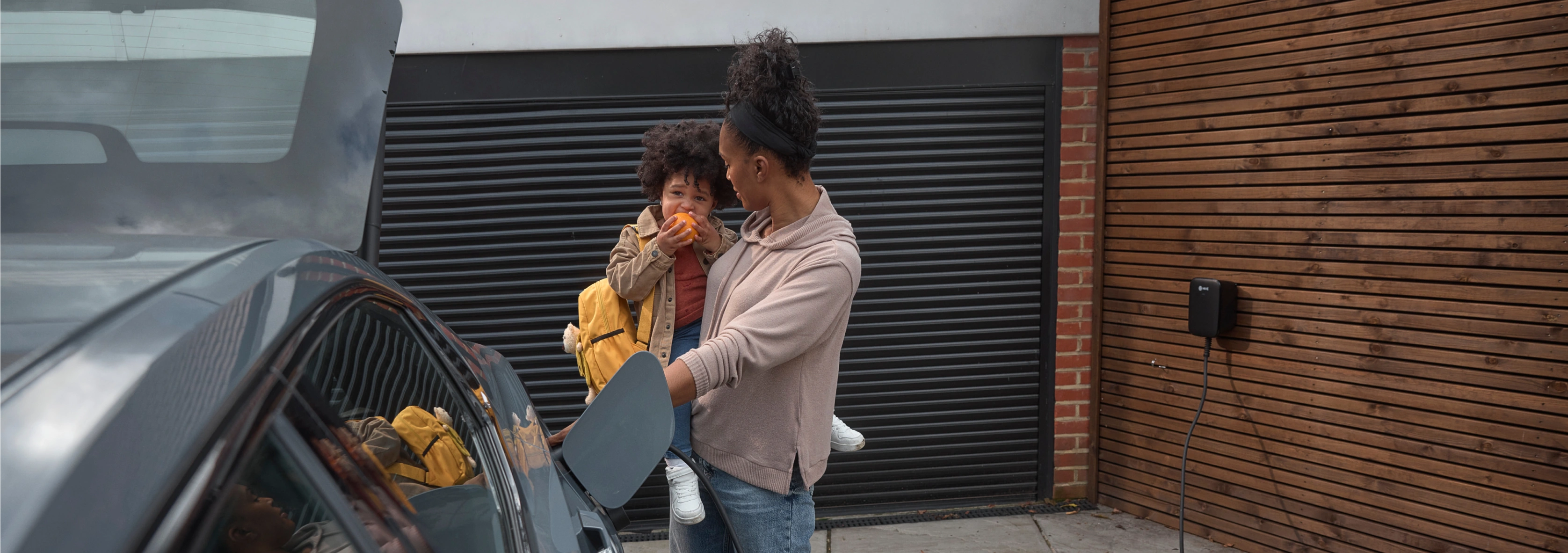
- Home charging is usually the cheapest option – often just a few pounds per full charge depending on your tariff
- Public charging costs more – especially rapid and ultra-rapid chargers
- EVs are typically cheaper to run than petrol or diesel – with lower cost per mile when charging at home
- EV tariffs can reduce costs further – with cheaper overnight rates such as 9p/kWh on British Gas EV tariffs
- Home charger installation starts from £1,019 with Hive – helping you charge more efficiently at home
- Most savings come from charging at home, overnight, and using a smart setup – to keep costs predictable
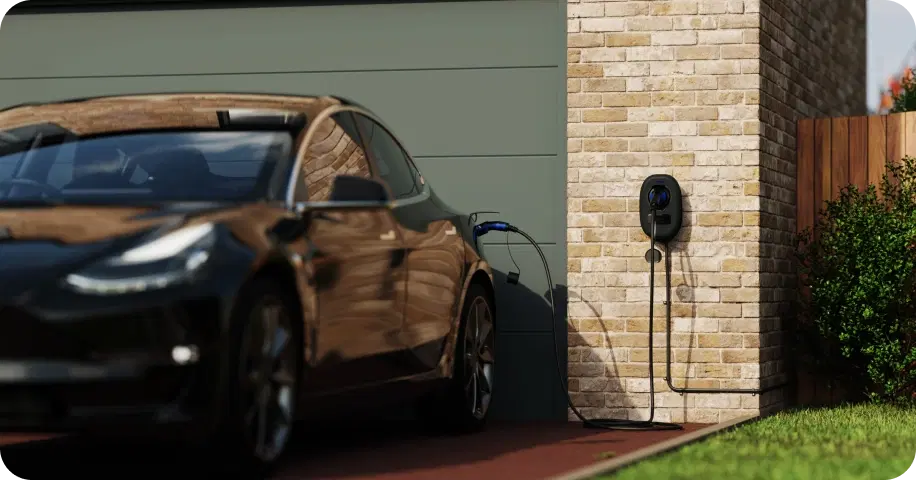
Charging an electric car is usually cheaper than running a petrol or diesel vehicle. But the exact cost isn’t fixed, it depends on how and where you choose to charge it, as well as a few details about your car. If you’re mostly charging at home, you’ll likely see the biggest savings. However, if you rely more on public rapid chargers, the cost will go up.
So, while there’s no single answer, the with right setup, EV charging can be straightforward, predictable, and noticeably cheaper over time, especially if you have an efficient home EV charger.
How much is it to charge an electric car at home in the UK?
Charging your electric car at home is typically the cheapest and most convenient option. In the UK, the cost will depend on your electricity rate and the size of your car’s battery. Charging at home on a British Gas EV tariff with Power+ can cost around 2p per mile, while a standard variable tariff is around 8p per mile. By comparison, a petrol or diesel car can cost around 16p per mile to fuel.
Because you’re using your home electricity supply, you have more control over when and how you charge. This makes it easier to keep costs low, especially if you regularly charge overnight.
How do EV charging costs compare to diesel or petrol?
In most cases, electric cars are cheaper to run than petrol or diesel vehicles, simply because electricity usually costs less per mile than fuel, particularly if you’re charging at home. For everyday driving, many EV drivers pay just a few pence per mile when charging overnight. Petrol and diesel cars, on the other hand, tend to be much more affected by fluctuating fuel prices.
There are also potential savings on maintenance, as electric cars have fewer moving parts. While the upfront cost of an EV can be higher, the lower running costs can make a real difference over time.
How much does it cost to use an EV charging station?
Public EV charging stations are useful when you’re away from home or travelling longer distances. More public charging points are being installed across the UK all the time, making it easier to top up on the go. However, they’re usually more expensive than charging at home.
Costs can also vary quite a bit depending, including the rates charged by different suppliers, the cost of electricity on the energy markets, and the type of charger you’re using. Slower chargers, often found in supermarkets or car parks, are typically cheaper but take longer. Rapid and ultra-rapid chargers are much faster, but you’ll pay more for the convenience. Many drivers rely on home charging for most of the day-to-day driving and only use public charging occasionally.
Is it cheaper to charge an EV at home?
In short, yes, and for most drivers, it’s the key to keeping costs low. When you charge at home, you’re using your own electricity supply, which is usually much cheaper than public charging. But more importantly, you can choose when you charge. In fact, charging overnight, when electricity demand is lower, can bring costs down quite a bit. This happens automatically when you use Power+ — your car charges at cheaper and greener times based on grid demand, so you don’t need to manage it yourself.
That said, the other thing to think about is whether your property is actually suitable for a home charger. Not all homes are. To get your own charger installed, you’ll generally need:
- Private off-street parking: many installers will only fit a home charger at properties with a drive or a garage.
- Permission: if you rent or live in a flat, you will need to speak to the home owner or freeholder before installing a home charger.
How to calculate EV charging cost
You can estimate your EV charging cost with a simple calculation:
Battery size (kWh) × electricity rate (p/kWh) ÷ 100 = full charge cost
For example, on a standard tariff, a 60kWh battery charged at 10p per kWh would cost around £6.
Having an idea of how much it could cost you to charge your EV will then make it easier to compare tariffs and understand your potential savings.
| Vehicle | Battery size | Standard variable tariff (SVT) | British Gas EV tariff with Power+ | Estimated range per full charge |
| Fiat 500e | 42kWh | £10.36 | £2.84 | 180 miles |
| MG4 | 61.7kWh | £15.23 | £4.16 | 260 miles |
| Tesla Model 3 | 60kWh | £14.80 | £4.05 | 320 miles |
| Hyundai IONIQ 5 | 77.4kWh | £19.10 | £5.23 | 315 miles |
| BMW iX | 111.5kWh | £27.51 | £7.53 | 380 miles |
Calculate your savings with British Gas' EV tariff calculator
What factors affect EV charging?
There isn’t just one thing that determines how much you’ll pay - it’s a combination of factors working together. Your electricity tariff is a big one. Some tariffs are simply better suited to EV charging than others. Then there’s battery size. Larger batteries cost more to fill, but they’ll also take you further.
Where you charge matters too. Home charging is usually cheaper, while public charging adds a premium for convenience. There’s also timing. Charging overnight can make a noticeable difference compared to peak hours which is why many drivers look to combine the right tariff with a smart charging setup. In fact, British Gas’ EV tariff lets you enjoy cheaper EV charging at night at just 9p per kWh between 12am-5am.
How much does it cost to install a home EV charger?
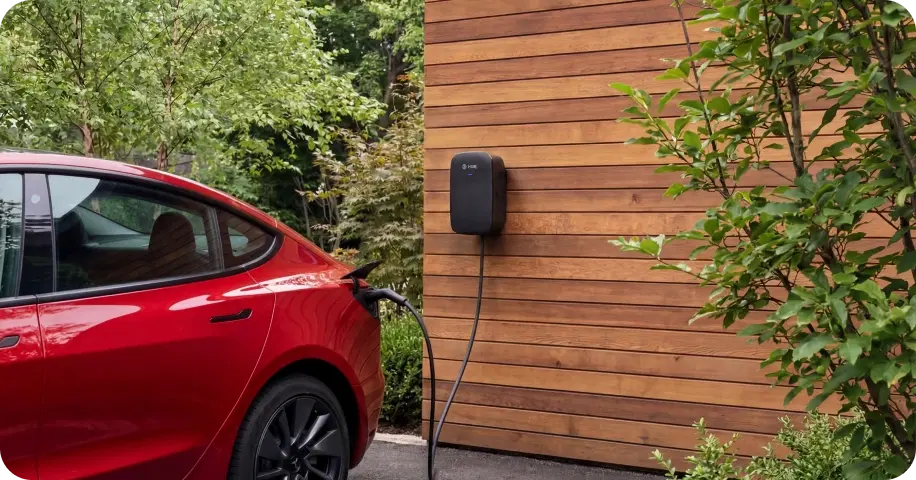
If you’re planning to charge at home regularly, installing a dedicated charger is usually the next step. With Hive, installation typically starts from £1,019 (credit is subject to status and affordability), depending on your home and setup. That usually includes the charger itself and standard installation. It’s an upfront cost, but it changes how you charge day to day. Charging becomes quicker, easier, and much more flexible. And over time, if you’re avoiding higher public charging costs, that investment can start to pay for itself, especially when paired with a tariff designed for EV charging.
How can you reduce EV charging costs?
Most of the savings come down to a few simple habits. Charging at home as much as possible is the biggest one. From there, it’s about being a bit smarter with when and how you charge. Charging overnight, using an EV tariff, and letting a smart charger do the work for you can all make a noticeable difference. However, relying too much on rapid chargers can push costs up.
If you generate your own electricity with solar, there’s even more potential to save. But even without that, small changes to your routine can make EV charging significantly more cost-effective.

Can you save money with an EV tariff?
For many drivers, this is where things start to feel much more efficient. EV tariffs are designed to offer cheaper electricity at certain times, usually overnight. So instead of paying a flat rate all day, you get access to much lower prices when demand is low. That can make a real difference to the cost of each charge. And once it’s set up, it’s easy to stick with. It’s a simple way to make sure you’re always getting the best value from your energy use.
Take control of your EV charging costs with Hive
A Hive EV charger at home could cost around 90% less than public charging when using a compatible EV tariff and charging off-peak. Choose from options like the Sync or EO charger, designed to fit around your home and routine. Pair that with a British Gas EV tariff, and you can take advantage of cheaper electricity for charging, helping you keep costs low without changing how you use your car. t’s a simple way to make EV charging more convenient, more predictable, and better value.